✦ CRESCENT
"so here i am, lifting up my heart to the one who holds the stars"
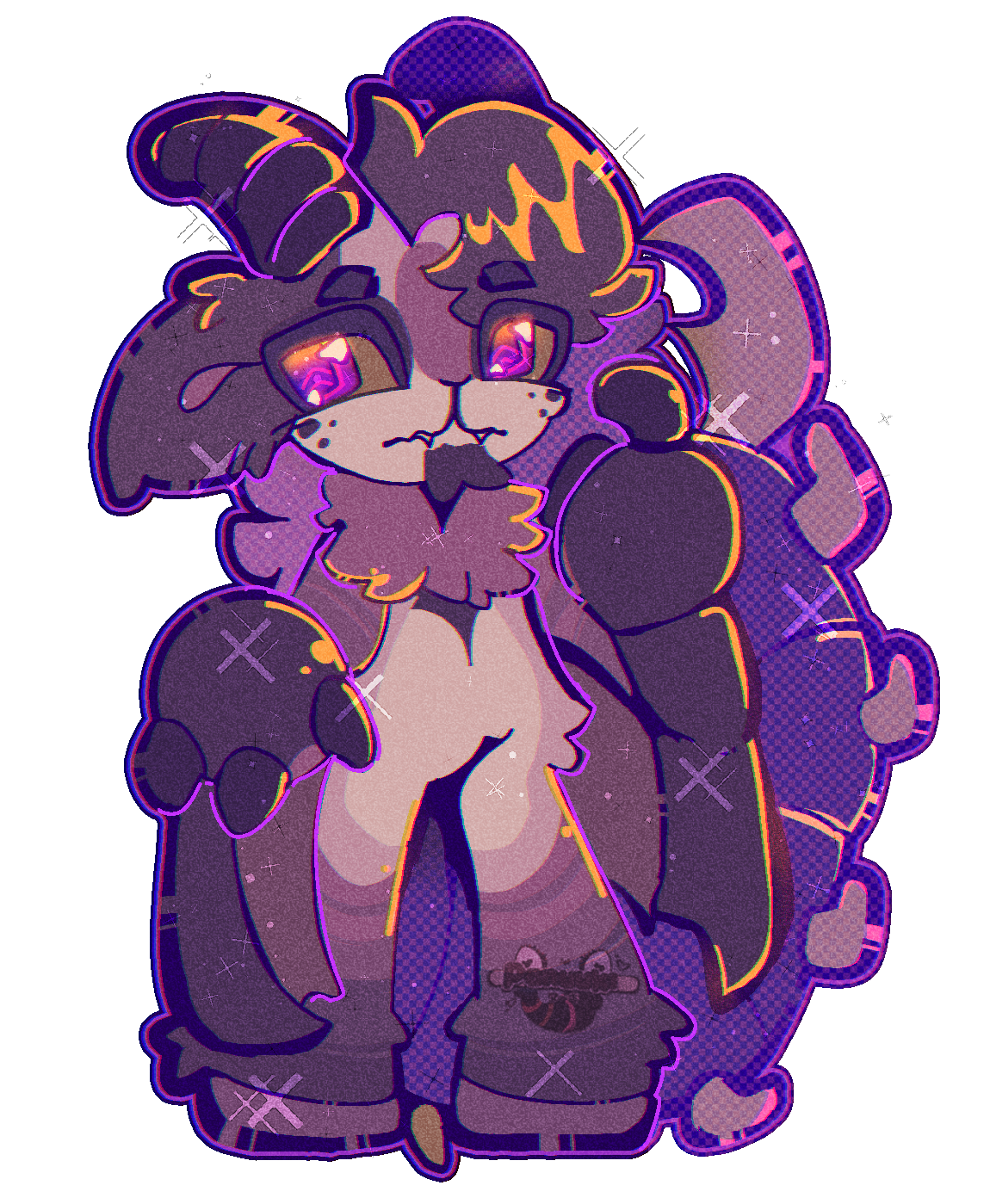
about me
🌺🌻 CAORANN 🌊🦑
FILE STATUS: ACTIVE
LOCATION: UNKNOWN
SIGNAL: WEAK, BUT STILL HERE.
I'm a wanderer in the quiet spaces between things. The empty hallways after everyone has gone home. Dead malls with fluorescent lights still humming. Old computers that remember more than they should. Places that feel familiar even though I've never been there.I don't fit neatly into the categories I was handed, and I've stopped trying to force myself into them. I'm still figuring out what I am, but I've grown comfortable existing somewhere outside the expected shape of things. A little glitch in the system. A profile that stayed online after everyone else logged off.Most of the time, I'm quiet. I collect forgotten stories, old media, strange little objects, and moments that feel like they belong to another life. I like drawing, writing, reading, and disappearing into worlds that are a little stranger than this one.If you've found this page, you're welcome to stay for a while.The building is empty.The lights are still on.I'm still here.
🐦⬛🦝 BOUNDARIES 🐑🪻
ACCESS LEVEL: PRIVATE
UNAUTHORIZED ENTRY WILL BE NOTICED.
I'm pretty chill, but being quiet doesn't mean I don't have boundaries.✦ Please respect my privacy and personal space. Don't pressure me into sharing things I'm not comfortable sharing.Just don't rearrange the furniture while you're here.
✦ Don't assume my silence means yes, no, or anything else. Give me time to respond, especially when communication is difficult.
✦ Please ask before using my art, characters, writing, or other personal creations.
✦ Don't force interactions, conversations, calls, or replies out of me. If I don't respond, let me exist in peace.
✦ Jokes are fine, but don't use my identity, interests, characters, or vulnerabilities as ammunition against me.
✦ Respect who I am. You don't have to understand everything about me, but you do have to respect it.
✦ If I say no, stop, not now, or otherwise make it clear I'm uncomfortable, please listen the first time.
✦ You are welcome to leave the hallway whenever you want.
🦌🌷 DO NOT INTERACT 👁🦇
RESTRICTED ACCESS.
IF YOU'RE HERE, PLEASE READ THIS FIRST.
Please don't interact with me if you are:✦ A pedophile, zoophile, or supporter of either.Otherwise... honestly, I'm pretty chill. :]You don't need to be exactly like me to interact with me. Just be normal, respect people's boundaries, and don't make the abandoned building any more cursed than it already is.[ACCESS DENIED]
✦ Homo/transphobic, racist, ableist, or otherwise hateful toward marginalized people.
✦ Anti-Christian or hostile toward Christians/religious people. You don't have to share my beliefs, just respect that they're mine.
✦ Someone who enjoys or actively participates in sexual kinks involving things like inflation, pregnancy, puppy hoods, or similar content that makes me uncomfortable.
✦ Someone who ignores boundaries, repeatedly makes me uncomfortable, or treats a "no" as an invitation to negotiate.
Thank you for understanding.
commissions
I accept payment through Paypal, Ko-fi and Vgen. I can also accept Discord Nitro, Toyhouse Premium, Deviantart Core, Steam gift cards, and vouchers.All my commission slots are announced on my Discord server. You can join here.
SKETCH COMMISSIONS
| SIZE | PRICE |
|---|---|
| BUST | €10 |
| HALFBODY | €20 |
| FULLBODY | €30 |


POLISHED COMMISSIONS
| SIZE | PRICE |
|---|---|
| BUST | €20 |
| HALFBODY | €30 |
| FULLBODY | €50 |


CHARACTER DESIGN
| OPTION | PRICE |
|---|---|
| REFERENCE SHEET | €100 |


EXPERIMENTAL
| OPTION | PRICE |
|---|---|
| PORTRAIT | €5 |
| STICKER | €5 per sticker |


translations (english/spanish)
| OPTION | PRICE |
|---|---|
| BASIC | €10 per 250 words |
| LITERATURE | €25 per 250 words |
SNIPPET FROM EL ÚLTIMO GUERRERO DE TUGIA BY JOSÉ ANTONIO QUESADA MONTILLA.
Original
Elhunay estaba sentado en el suelo con las piernas flexionadas y apoyaba su espalda sobre la pared del fondo de la estancia. Sobre sus muslos se extendía un papiro desenrollado que sujetaba con los dedos por sus bordes inferior y superior. Tenía los ojos muy abiertos y su vista recorría con agilidad los caracteres dibujados en aquel material rugoso y delicado. Aquellos signos contaban las aventuras de un guerrero antiguo que trataba de regresar a su hogar tras una guerra cruenta librada en los confines del mundo. Había escuchado antes algunas de aquellas historias en bocas de mercenarios griegos, pero desde que Aristo, con infinita paciencia, le había enseñado a descifrar aquella escritura, se había apasionado de tal modo por la lectura que había limitado su instrucción militar al manejo del arco. Su hermano Bagaruk se escandalizó cuando comprobó que era capaz de descifrar las tablillas donde los comerciantes púnicos anotaban la relación de sus mercancías. Y su padre lo miró con el mismo semblante gélido con el que miró a su hermano la noche en que éste anunció que se marchaba de Tugia para ponerse al servicio de Roma.―¿Consigue Odiseo regresar a su patria? ―preguntó levantando la cabeza.Aristo, que murmuraba maldiciones en voz baja mientras rebuscaba entre los pergaminos que se amontonaban polvorientos al fondo de la única habitación de la vivienda, se revolvió y lo miró con curiosidad.―¿A qué viene tanta prisa, mi noble y joven amigo? ―se interesó a modo de respuesta el viejo galeno con un punto de irritación―. ¿Quieres hacerle una visita? ―Y dándole nuevamente la espalda retomó su tarea de revisar pergaminos y papiros y seguir maldiciendo.Elhunay esbozó una amplia sonrisa. Apreciaba a aquel médico llegado a Tugia cuando él era apenas un niño. Lo recordaba arrodillado a su lado en noches de fiebre, aguantando su nuca y dándole de beber brebajes amargos. Nunca contó qué motivos lo empujaron hacia aquellas tierras del interior y por qué dejó el mar del que siempre hablaba. Simplemente se instaló y comenzó a atender enfermos y a curar heridas. Los tugienses le correspondieron con su manutención. No parecía que el galeno necesitara nada más... al margen de las mujeres.Algunas tardes, su irascibilidad se transformaba en una extraña melancolía que lo empujaba a un beber negro que lo desbarataba. Entonces, como una letanía, murmuraba un nombre extraño: Tse-Mon, Tse-Mon... A Elhunay le gustaba imaginar que aquel hombre hosco recordaba a alguna bella griega; una mujer que, como Penélope, tejería a orillas del mar esperando su regreso imposible. Elhunay nunca supo que acertaba a medias.―Te contaré el final de la historia otro día ―dijo Aristo al cabo de un rato, sin dejar de rebuscar. Tras un silencio, añadió―: De todas formas, sigue leyendo.Luego extrajo un objeto alargado envuelto en un paño viejo. Retiró el lienzo cubierto de polvo y le mostró a Elhunay una espada herrumbrosa. La sujetaba por la empuñadura, con la hoja hacia abajo, del mismo modo con el que agarraría a una gallina por el cuello. Su rostro compuso una mueca cómica de escepticismo y arrojó el arma hacia un rincón, como si fuera un artilugio inservible que no debiera estar allí. No era aquello, desde luego, lo que estaba buscando.―Tú sabes que no nos va a dar tiempo a terminar de leer esta historia ―dijo Elhunay muy serio. Aristo le dirigió una mirada de enfado.―En todo caso, no te va a dar tiempo a ti ―gruñó―. Yo llevo leyendo la Odisea desde antes de que tú nacieras, muchacho. Me la sé de memoria. Así que no hables por los dos ―sentenció―. Y además, ¿por qué nos va a faltar tiempo? ¿Porque un puñado de romanos ha decidido venir de excursión hasta las puertas de Tugia? Cuando los romanos entren en la ciudad, lo más probable es que yo ya me haya muerto de viejo o de aburrimiento. Y respecto a esto último, y si te soy sincero, creo que me resultará más amena y gratificante una conversación con Caronte que cualquier otra que haya tenido con vosotros desde que llegué aquí. ―Y luego le reprendió en tono agrio―: Como no te va a dar tiempo es si te obstinas en molestarme a cada momento. Así que, muchacho, deja de incordiar y lee, o lárgate de aquí.
Pero Elhunay estaba convencido de que el viejo médico sabía tan bien como él que el tiempo se agotaba para los habitantes de Tugia. Solo que se negaba a admitirlo abiertamente y trataba de ocultarlo escudándose en su mal humor.―Romanos… ―siguió farfullando Aristo―. Menudo pueblo de impostores. Lo único que saben hacer es copiar a los griegos. Romanos... bah...Entonces calló de repente y extrajo de entre varios rollos de pergamino uno con los bordes carcomidos. Lo desenrolló con sumo cuidado y su rostro pareció apaciguarse por unos momentos. Le dirigió a Elhunay una mirada triunfal.―Eureka ―musitó satisfecho.
Se dirigió entonces hasta una amplia repisa de madera arrimada contra la pared, bajo el ventanuco que llenaba la estancia de una claridad turbia. Apartó diversas jarras de cerámica y extendió el pergamino. Luego depositó en cada esquina unos exvotos de bronce para que se mantuviera desplegado y lo examinó mientras se rascaba la barba.Elhunay se levantó y se acercó hasta situarse al lado del viejo médico. Sobre la fina piel del pergamino aparecían toda una serie de dibujos. Aristo se quedó mirando a Elhunay con un asomo de sonrisa en los labios.―¿Sabes qué es esto? ―preguntó. Y sin esperar la respuesta del joven guerrero, le dijo―: Es una catapulta, muchacho. Así que ahora mismo me vas a acompañar hasta la noble presencia de tu hermano, nuestro valiente, amado y sabio príncipe Bagaruk ―apremió con un asomo de sorna en su voz.
Translation
Elhunay was sitting with his legs folded, resting his back on the wall at the end of the room. Over his thighs laid an unrolled papyrus that his fingers held from the bottom and top borders. His eyes were wide open, and his gaze darted over the drawn characters on that rough and delicate material. Those signs told the adventures of an ancient warrior that was trying to return home after a cruel war at the end of the world. He had heard some stories from Greek mercenaries before, but since Aristo, with his infinite patience, had taught him to decipher that writing, he felt such passion that had limited his military instruction to handle the bow. His brother Bagaruk was scandalized when he realized he could decipher the tablets where the Punic merchants wrote the list of their goods. And their father looked at him with the same cold gaze he’d laid on his brother the night he announced he would leave Tugia to serve Rome.“Does Odysseus ever return to his homeland?” he asked, raising his head.Aristo, who was murmuring curses under his breath while searching among his dusty scrolls that piled at the end of the only room in the house, turned around and looked at him, intrigued.“Why in such a hurry, my noble and young friend?” the old Galean asked with interest and a bit of irritability. “Would you like to visit him?” and, turning around once more, he resumed his task of checking scrolls and papyrus, still muttering.Elhunay smiled widely. He appreciated that medic who had arrived from Tugia when he was just a boy. He remembered him kneeling by his side during nights of fever, holding his head and making him drink bitter beverages. He never said what motives pushed him to those inner lands, nor why he left the sea he’d always talk about. He simply settled and started tending the ill and healing wounds. The Tugians supported him. It seemed the Galean didn’t need anything else… outside women.
Some afternoons, his anger turned into a strange melancholy that pushed him to an intense drinking that made him fall apart. Then, as if he was reciting a litany, he muttered a strange name: Tse-Mon, Tse-Mon… Elhunay liked to imagine that this tough man remembered a beautiful Greek woman; a woman who, like Penelope, would weave next to the sea while waiting for an impossible return. Elhunay never knew he was half right.“I’ll tell ya how the story ends another day,” Aristo said after a while, not stopping in his search. After a pause, he added: “Anyway, continue reading.”Then, he pulled out a long object wrapped in an old cloth. He removed the dust-covered fabric and showed Elhunay a rusty sword. He was holding it by the hilt, with the blade pointing down, in the same way he’d hold a chicken by the neck. His face twisted into a comical grin of skepticism and threw the weapon to a corner, as if it were a useless object that shouldn’t be there. Of course, he wasn’t looking for that.“You know we won’t have time to finish reading this story,” said Elhunay, deeply serious.Aristo glanced at him. He was irritated.“Actually, you won’t have time,” he groaned. “I have been reading The Odyssey long before you were born, kid. I know it by heart. So, don’t you speak for the both of us,” he stated. “Besides, why would we not have time? Just ‘cause a myriad of Romans decided to come visit the doors of Tugia? By the time the Romans entered the city, I would’ve died from age or from pure boredom. And about that last thing—if I’m honest—it’d be more calm and rewarding a conversation with Charon than with any other I’ve had with you since I got here,” then, he scolded him bitterly: “How are you not going to have time if you are obsessed with annoying me every time? So, kid, stop vexing me and read, or get out of here.”But Elhunay was sure that the old doctor knew as well as him that the inhabitants of Tugia were running out of time. He was just refusing to admit it openly and tried to shield himself behind his bad temper.
“Romans…” Aristo continued grumbling. “What a town of impostors. They only know how to copy the Greeks. Romans… ugh…”
Suddenly, he went quiet and pulled a scroll with torn edges from amongst a pile. He unrolled it carefully, and his face seemed to calm down for a moment. He looked at Elhunay triumphantly.“Eureka,” he muttered, satisfied.
He walked up to a wide wooden shelf next to the wall, under the window that filled the room with a foggy clarity. He put aside multiple ceramic vases and extended the parchment. After that, he placed some bronze ex-votos on each corner so it would remain displayed. He examined it while scratching his beard.Elhunay stood up and placed himself by the old medic’s side. On the thin surface of the parchment was a whole lot of drawings. Aristo stared at Elhunay with a half smile on his lips.“Do you know what this is?” he asked. And, without waiting for the young warrior to respond, he said: “It’s a catapult, kid. So right now you shall come with me to the noble presence of your brother, our brave, beloved and wise prince Bagaruk,” he added with a subtle irony in his voice.
SNIPPET FROM NOCHE TRISTE EN COLHUACATONGO BY JOSÉ ANTONIO QUESADA MONTILLA.
Original
Necuyaotl tiene la vista perdida en el fuego que crepita frente a él. Se arrebuja en su túnica desgarrada y sucia para engañar al frío. El otrora sacerdote del gran templo de Tenochtitlan rumia en soledad su derrota entre aquel puñado de ruinas. Apenas queda nada en pie de aquel barrio próspero y elegante hasta hace unos días. Pero la ira de los Dioses destruye en un instante lo que los hombres creen certezas inamovibles. ¿Será tarde ya para aplacarla? ¿Estará todo perdido definitivamente? Abatido, se lleva las manos a la cabeza.―Noble Necuyaotl.La voz sorprende al sacerdote, que se sacude su ensimismamiento y escudriña entre las tinieblas al recién llegado.―Achcauhtli… aún sigues aquí ―murmura como si le sorprendiera verlo―. ¿Y los demás?El guerrero avanza unos pasos y se sitúa frente al anciano. Luego se acuclilla y extiende sus manos hacia la pequeña hoguera. Lo mira directamente a la cara.―Los nobles huyeron hace tiempo. Solo quedamos a este lado dos centenares de guerreros hambrientos y enfermos. Tenochtitlan ya no existe.El sacerdote asiente cabizbajo. Pero cuando levanta la vista, sus ojos arden como ascuas incandescentes.―Quezatcoalt me ha hablado ―dice con voz ronca―. Y aún está dispuesto a congraciarse de nuevo con nosotros en el futuro. Pero requiere un último gran sacrificio; quiere que la sangre de nuestros enemigos riegue estos muros para que, en siglos venideros, pueda brotar de nuevo nuestra civilización perdida en estos días aciagos.―Noble Necuyaotl, creo que no ha entendido la situación en la que nos encontramos.El agotado general no está para empresas heroicas.―Somos los elegidos de Quetzatcoalt para su gran gesta.―El anciano sacerdote tiembla―. ¿No lo entiendes?Achcauhtli respira profundamente. Luego habla:―Noble Necuyaotl, siempre he tenido a nuestros Dioses presentes y me he conducido por la senda de la obediencia y del honor. Por eso me atrevo a decir esto hoy en tu presencia. ―El guerrero se levanta y hace una pausa hasta convencerse de que el anciano le presta toda la atención―. Nuestro imperio y nuestra ciudad han caído porque hemos vertido demasiada sangre ―y remata―: Los Dioses no tienen nada que ver en esto.El anciano tlamacazqui se incorpora sin dar crédito a lo que oye.―¿Quieres decir que nuestros tlatoanis y nuestros Dioses han estado equivocados siempre?
―Los Dioses no lo sé. Nuestros tlatoanis, sin duda. ―Ahora los ojos que brillan son los del guerrero―. ¿Quiénes han ayudado en la defensa de Tenochtitlan a parte de sus guerreros y sus habitantes? Yo te lo diré: Nadie. ¿Y sabes por qué? Porque hemos sido unos amos crueles y sanguinarios.―Hemos cumplido con el mandato de los Dioses. ¿Quién te crees que eres para juzgarlos? ―regaña al guerrero mientras vuelve a temblar de ira. Y de frío. Y puede que de la fiebre que antecede a la viruela.―Pues su mandato nos ha privado de cualquier aliado en este dramático trance. Todos los pueblos que habíamos subyugado están ahora al lado de los españoles, de sus reyes y de su Dios.―¡No los hemos honrado con la sangre suficiente! ―brama el sacerdote.El guerrero azteca niega suavemente con la cabeza. La discusión no merece la pena. Son dos derrotados que buscan una explicación a lo que ya no tiene remedio.―Tendrás tus reos para el sacrificio ―asegura en voz queda Achcauhtli―. Antes de morir nosotros también ―termina diciendo lúgubremente para, seguidamente, dar media vuelta y marcharse de las ruinas donde se ha emboscado el sacerdote.
Translation
Necuyaotl has his gaze lost in the fire that cracks before him. He tightly wraps himself in his ragged and dirty tunic to fool the cold. The old priest of the great temple of Tenochtitlan ruminates in loneliness his defeat among that bunch of ruins. There’s barely anything left standing in that neighborhood, prosperous and elegant until a few days ago. But the anger of the gods destroys in an instant what men think to be immovable certainties. Is it too late to cool it down? Is everything definitely lost? Dejected, he puts his hands on his head.“Noble Necuyaotl,”
The voice surprises the priest, who quickly shakes off his sadness and squints between the fog at the newcomer.“Achcauhtli… you’re still here,” he mutters, as if he was surprised to see him. “Where’s the rest?”The warrior takes a few steps forward and places himself before the old man. Then, he crouches and extends his arms toward the small fire. He looks straight at his face.“The nobles fled a long time ago. There’s only two hundred starving and sick warriors left here. Tenochtitlan is gone.”The priest nods, head down. But when he looks up, his eyes burn like incandescent embers.“Quetzalcoatl has spoken to me,” he says, voice hoarse. “And he’s still willing to be on our side in the future. But he requires a great sacrifice; he wants the blood of our enemies to spray over these walls so that, in the next centuries, our civilization may bloom again in these unhappy days.”“Noble Necuyaotl, I don’t think you understand the situation we’re in.”The tired General is not in the mood for heroic ventures.“We’re the chosen ones from Quetzalcoatl for his great feat.” The old priest shakes. “Don’t you get it?”Achcauthli takes a deep breath. Then, he speaks:“Noble Necuyaotl, I’ve always had our gods present, and I’ve driven myself through the path of obedience and honor. That’s why I dare to say this today in your presence.” The warrior stands up and pauses until he’s convinced that the old man is paying full attention. “Our empire and our city has fallen because we’ve poured too much blood,” and, to finish off: “the gods have nothing to do with this.”The old Tlamacazqui stands up, not believing what he’s hearing.“You mean to tell me that our tlatoanis and our gods have always been wrong?”“I’m not sure about the gods. Our tlatoanis, without a doubt.” Now, the eyes that sparkle are the warrior’s. “Who has helped defend Tenochtitlan outside its warriors and inhabitants? Let me tell you: no one. And you know why? Because we’ve been cruel and bloodthirsty owners.”“We’ve done as the gods told us. Who do you think you are to judge them?” he scolds the warrior while shaking from rage again. And cold. And maybe the fever that hits before the smallpox.“Well, their reign has stripped us from any ally in this dramatic trance. All the people we had dominated are now on the Spaniards’ side, their kinds and their God.“We haven’t honored them with enough blood!” the priest roared.
The Aztec warrior softly shakes his head. The discussion is pointless. They’re two defeated men that are looking for an explanation that has no solution.“You shall have your inmates to sacrifice,” Achcauhtli ensures softly. “Before we die too.” he ends saying lugubriously to, after that, turn around and walk away from the ruins where he ambushed the priest.
SNIPPETS FROM RANGO — MAKING A HERO OUT OF YOURSELF BY ASPEN STARR.
Original
Rango is a Western, “emotion capture” animated movie created by Gore Verbinski. The movie deals with identity as its main theme, introducing us to an unnamed pet chameleon whose whole world shatters the moment his terrarium falls off the car of his owners. This movie contains references to multiple Western movies like The Good, the Bad and the Ugly and Clint Eastwood himself, featured as the Spirit of the West. Throughout the protagonist’s journey, we can see how Rango demonstrates that identity can be shaped by the expectations of others, but it ultimately depends on what someone chooses to be.(...)Rango’s journey is proof about how heroism is not something you are born with, but something you build from your own choices. Rango is a chameleon, an animal that changes its appearance to blend with its environment. He does the same in a similar way: by changing his personality and story, he is adapting his identity to what the town wishes for him to be, but he eventually learns how to be the hero the town needs. We see this when he challenges Jake to a duel, claiming “it only takes one bullet,” the known mantra he now believes in. When Jake tries to call his bluff, Rango simply says: “try me.” Jake can now see that Rango is no longer the cowardly chameleon that could not hold a gun without his hand shaking; he is now the legendary gunslinger the town craved him to be. This shows how Rango did not become a hero because the stories he came up with were true; he became a hero because he chose to make that statement true by acting like it. He begins the story with no identity, creates one for himself, loses it, and ultimately earns the identity of a hero.
Translation
Rango es una película animada con estilo “captura de emociones” del Oeste, creada pot Gore Verbinnski. La película trata con la identidad como su tema principal, presentándonos a un camaleón mascota sin nombre cuyo mundo completo se rompe en el momento en el que su terrario cae del coche de sus dueños. La película tiene referencias a muchas películas del oeste como El Bueno, el Malo y el Feo y al mismo Clint Eastwood, que aparece como el Espíritu del Oeste. A lo largo del viaje del protagonista, podemos ver cómo Rango demuestra que la identidad puede ser moldeada por las expectativas de otros, pero finalmente depende de lo que alguien decide ser.(...)El viaje de Rango es prueba de cómo el heroísmo no es algo con lo que naces, sino algo que construyes en base a tus propias decisiones. Rango es un camaleón, un animal que cambia su apariencia para mezclarse con su ambiente. Él hace lo mismo de un modo similar: al cambiar su personalidad e historia, está adaptando su identidad a lo que el pueblo quiere que sea, pero eventualmente aprende cómo ser el héroe que el pueblo necesita. Podemos ver esto cuando reta a la serpiente Jake a un duelo, afirmando que “solo necesita una bala”, el conocido dicho que ahora cree. Cuando Jake trata de demostrar su farol, Rango simplemente dice “pruébame”. Jake ahora puede ver que Rango ya no es el camaleón cobarde que no podía sostener la pistola sin que su mano temblara; ahora es el legendario pistolero que el pueblo necesitaba que fuera, Esto muestra cómo Rango no se volvió un héroe porque las historias que creó fueran verdaderas; se volvió un héroe porque escogió que ese hecho fuera verdad al actuar de ese modo. Empieza la historia sin identidad, crea una para sí mismo, la pierde, y eventualmente gana la identidad de un héroe.
Support me!
RACCOON | €1/MONTH
✦ Discord access
✦ Sketchbook doodles
✦ Scrapped sketches/concepts
✦ Name at the end of posts/videos
MOTH | €3/MONTH
✦ Discord Access
✦ All in RACCOON
✦ 1-minute speedpaints
✦ 5% discount
✦ Sketch colored headshot raffle (one winner per month)
✦ Unwatermarked sketch access
TIGER | €5/MONTH
✦ Discord Access
✦ Everything in RACCOON and MOTH
✦ Full WIP access (all stages)
✦ Full concept art
✦ Unwatermarked art for others
✦ 10% discount
✦ Early webtoon access
✦ Colored lined bust raffle
✦ Autobuy priority in gatchas (one slot)
✦ Access to all my old bases
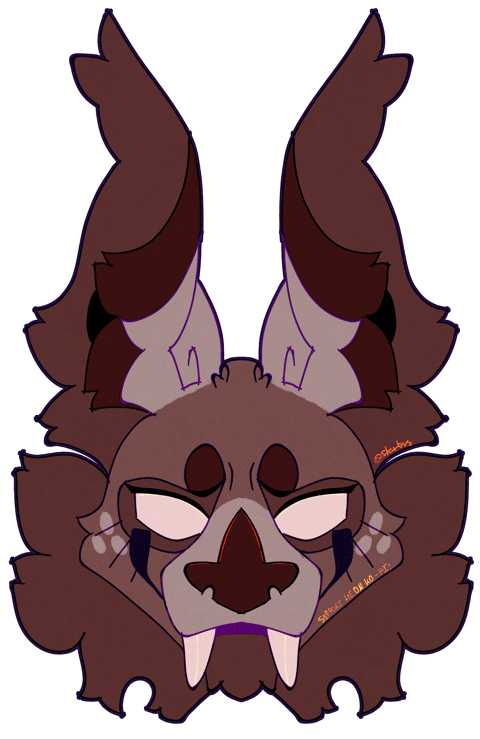
BAT | €10/MONTH
✦ Discord Access
✦ Everything in RACCOON, MOTH and TIGER
✦ Unwatermarked personal art
✦ 20% discount
✦ Monthly sketch requests
✦ Project previews / lore drops
✦ Rendered lined half raffle
✦ Doodle add-ons for adopts
✦ Character cameos in comics
✦ Receive feedback for your art on request
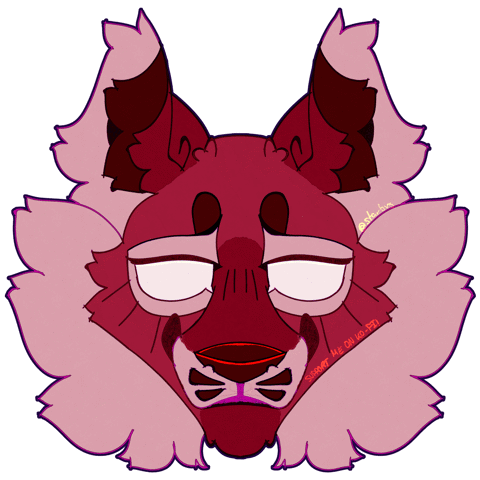
FOX | €15/MONTH
NOT SUITABLE FOR PEOPLE YOUNGER THAN 18! THIS TIER WILL INCLUDE MATURE/DARK THEMES!✦ Discord Access
✦ Everything from RACCOON, MOTH, TIGER, and BAT
✦ 30% discount
✦ +18 content access
✦ Direct influence on creative direction polls
✦ Rendered raffle (winner picks size)
✦ Adopt add-ons (buyer picks size)
✦ Experimental +18 commissions
✦ Full interaction comic cameos
social media